

Pet Health and Wellness Center: A 2026 Guide
Table of Contents
- What a Pet Health and Wellness Center Actually Offers
- Pet Wellness Plan Benefits: Are They Worth It?
- Veterinary Wellness Check Cost: What to Expect
- Pet Nutrition and Weight Management at Home
- Behavioral Wellness: The Overlooked Side of Pet Health
- Home-Based Wellness Monitoring Between Clinic Visits
- Building a Pet Health and Wellness Routine That Sticks
- Conclusion
What a Pet Health and Wellness Center Actually Offers
A pet health and wellness center is a dedicated veterinary facility that goes beyond treating illness to actively maintain and improve your animal's quality of life across every life stage. At Pet Care Online, we work alongside pet owners who are increasingly looking for this kind of proactive, whole-animal approach rather than reactive sick visits alone. The shift matters: catching a problem early is almost always cheaper, less stressful, and better for your pet than addressing it once symptoms are obvious.
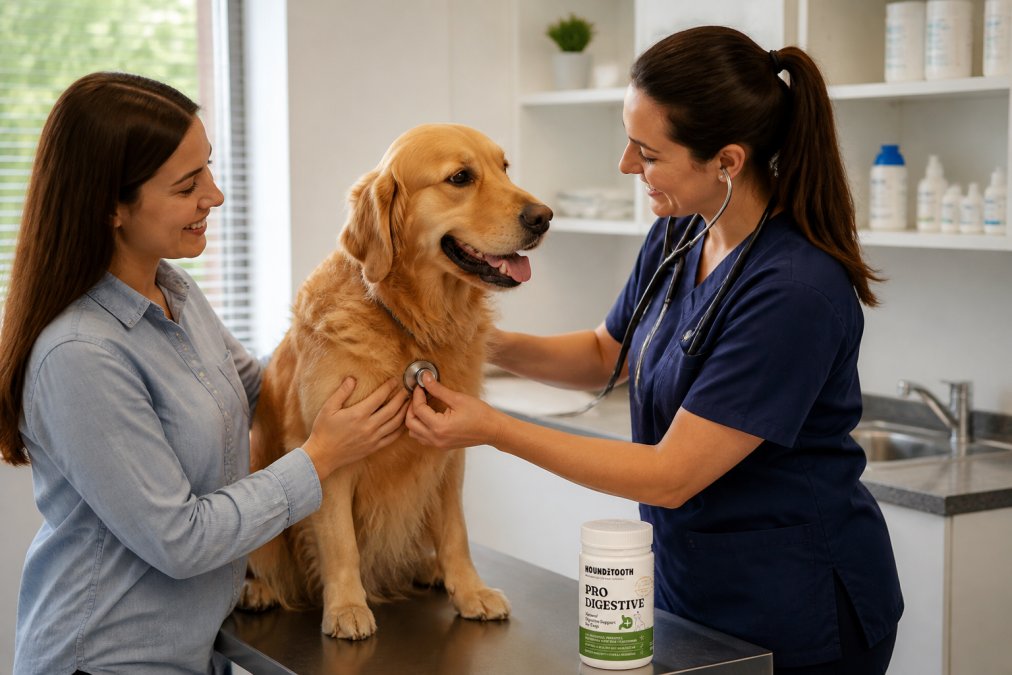
The services inside a modern wellness centre typically span preventative care, diagnostics, dental care, rehabilitation, and nutritional counselling. The breadth of that clinical practice is what separates a true wellness centre from a standard general practice.
Preventative Care and Annual Health Checks
Preventative care is the foundation of everything a wellness centre does. An annual examination gives the veterinary team a baseline for your pet's health so that subtle changes, weight fluctuations, heart murmurs, or early organ changes, are caught before they escalate. A standard wellness check covers physical examination, vaccination schedule review, parasite prevention, and a discussion of diet and behaviour.
Puppy and kitten wellness visits are particularly important in the first year. Multiple appointments are spaced to align with developmental windows for vaccination and socialisation, giving young animals the best possible start. Geriatric care protocols kick in from around seven years of age for most dogs and cats, with more frequent diagnostics to monitor age-related changes.
Early detection is the clinical argument for annual checks. Conditions like diabetes, kidney disease, and dental disease are far more manageable when caught at stage one than stage three.
Dental Care, Rehabilitation, and Hydrotherapy
Dental care is one of the most underutilised services at any pet health and wellness center. Periodontal disease is common in adult dogs and cats, and the bacteria involved have been linked to systemic health problems. A professional scale and polish under anaesthetic, combined with at-home maintenance, meaningfully extends the period between procedures.
Rehabilitation and physiotherapy have grown substantially as a specialty within small animal practice. Post-surgical recovery, cruciate ligament repair, and degenerative joint conditions all respond well to structured physiotherapy programs. Hydrotherapy, using an underwater treadmill or pool, reduces weight-bearing stress on joints while building muscle and improving range of motion. Many patients who struggle to walk comfortably on land make measurable progress in water.
Laser therapy is another modality now offered at many centres, used to reduce inflammation and support tissue healing. These services are no longer niche: they are part of a holistic approach to pet longevity that goes well beyond the traditional vaccination and flea treatment visit.
Pet Wellness Plan Benefits: Are They Worth It?
Wellness plans are structured membership arrangements that bundle a set of veterinary services for a fixed monthly or annual fee. The core appeal is predictable cost combined with guaranteed access to preventative care that many pet parents would otherwise delay or skip due to upfront expense.
The services typically bundled include annual examinations, vaccination schedule maintenance, parasite prevention products, dental checks, and sometimes diagnostic bloodwork. The value proposition is strongest when your pet actually uses all the included services. A plan that covers two annual checks, vaccinations, and a dental assessment will generally cost less than paying for each individually, provided you attend every included appointment.
According to Australian Veterinary Association guidelines on preventative care, consistent preventative care is one of the most effective ways to reduce lifetime veterinary costs and improve animal welfare outcomes.
Cost-Benefit Analysis: Membership vs. Pay-As-You-Go
The honest answer is that wellness plans suit some households more than others. Here is a practical framework for deciding.
| Factor | Wellness Plan | Pay-As-You-Go |
|---|---|---|
| Predictable budgeting | Yes, fixed monthly cost | No, variable per visit |
| Best for | Pets needing regular care | Healthy pets with few visits |
| Dental care included | Often yes | Billed separately |
| Vaccination coverage | Usually included | Per-vaccine cost |
| Flexibility | Lower, tied to one clinic | Higher, use any provider |
| Value realised | High if all services used | Depends on frequency |
The break-even point varies by clinic and plan tier. A common mistake is signing up for a premium plan and then missing half the included appointments. If your schedule makes regular clinic visits difficult, a mid-tier plan or pay-as-you-go approach may serve you better financially.
Veterinary Wellness Check Cost: What to Expect
The veterinary wellness check cost varies depending on the type of practice, your location, and what the check includes. A standard consultation at a general practice typically covers physical examination and a brief health discussion. A comprehensive wellness check at a dedicated centre goes further, incorporating weight assessment, dental scoring, parasite status, and often a nutritional review.
Many practices offer tiered wellness check options. A basic annual examination sits at the lower end of the cost range. Add bloodwork, urinalysis, or a dental procedure and the cost rises accordingly. Specialist referrals for physiotherapy or hydrotherapy are priced separately.
The RSPCA Australia pet care resources recommend annual veterinary visits as a minimum standard of care for companion animals, noting that many health conditions in pets are preventable or manageable when caught early through routine examination.
The thing nobody tells you about wellness check costs is that the most expensive appointment is rarely the routine one. It is the emergency visit that follows years of skipped preventative care. Framing the annual check as a cost-avoidance measure, rather than an optional expense, changes the calculation entirely.
Pet Nutrition and Weight Management at Home
Nutrition is where the clinical work done at a wellness centre meets the daily decisions made at home. Weight management is one of the most common issues veterinary teams address: excess body weight accelerates joint degeneration, increases anaesthetic risk, and shortens lifespan in dogs and cats.
The starting point is understanding your pet's body condition score, a scale vets use to assess whether an animal is underweight, ideal, or overweight by evaluating fat coverage over the ribs and spine. Your vet can teach you to assess this at home, making it a practical tool for monitoring between clinic visits.
Tailored care means feeding amounts and food types are matched to your pet's age, breed, activity level, and health status. A senior dog with kidney disease has fundamentally different nutritional requirements to a working breed puppy. Generic feeding guides on packaging are a starting point, not a prescription.
Supplements That Support Everyday Wellness
Targeted supplementation can fill specific gaps in a pet's daily nutrition, particularly for skin, coat, digestion, and joint health.
For dogs with sensitive stomachs or digestive imbalances, the Houdztooth Prodigestive Aid ($39.95) is a professionally formulated blend of probiotics, prebiotics, Australian goat milk, colostrum, slippery elm, and spirulina, with turmeric added to support immune function. It is designed for daily use to maintain intestinal balance.

Skin and coat condition responds well to targeted fatty acid and mineral support. The Houdztooth Coat, Skin & Nails ($34.95) combines Australian omega oils, DHA, collagen, New Zealand green lip mussel, biotin, silica, magnesium, and zinc, formulated for everyday use to support coat shine and nail strength.

For both dogs and cats, the Wonderfur Omega Oil ($36.95) delivers omega 3, 6, and 9 fatty acids from salmon oil, supporting immune health, skin condition, brain function, and joint flexibility across all ages and breeds.

Behavioral Wellness: The Overlooked Side of Pet Health
Behavioural wellness is the part of the pet health conversation that most guides skip entirely. It is a significant gap, because behavioural problems are among the most common reasons pets are surrendered or euthanised, and many of those problems are preventable or treatable with early intervention.
A pet health and wellness center that takes a holistic approach includes behavioural assessment as part of the annual examination. Veterinary teams are trained to distinguish between medical causes of behavioural change, pain presenting as aggression, thyroid dysfunction presenting as anxiety, and primary behavioural conditions that require training or environmental modification.
The key signals to watch for between visits include sudden changes in appetite, elimination habits, sleep patterns, or social behaviour. These changes are often the first sign that something is wrong, whether physically or psychologically. Proactive health monitoring means treating these signals as data, not inconveniences.
Many practices now work alongside veterinary behaviourists or certified trainers for complex cases. Puppy socialisation programs run through wellness centres are particularly valuable: the window for socialisation closes by around 12 to 16 weeks, and missing it creates behavioural challenges that persist for the animal's lifetime.
Home-Based Wellness Monitoring Between Clinic Visits
The annual examination is the anchor, but the 51 weeks between appointments are where proactive health monitoring actually happens. Pet parents who learn to observe and record their animal's baseline are far better positioned to catch changes early.
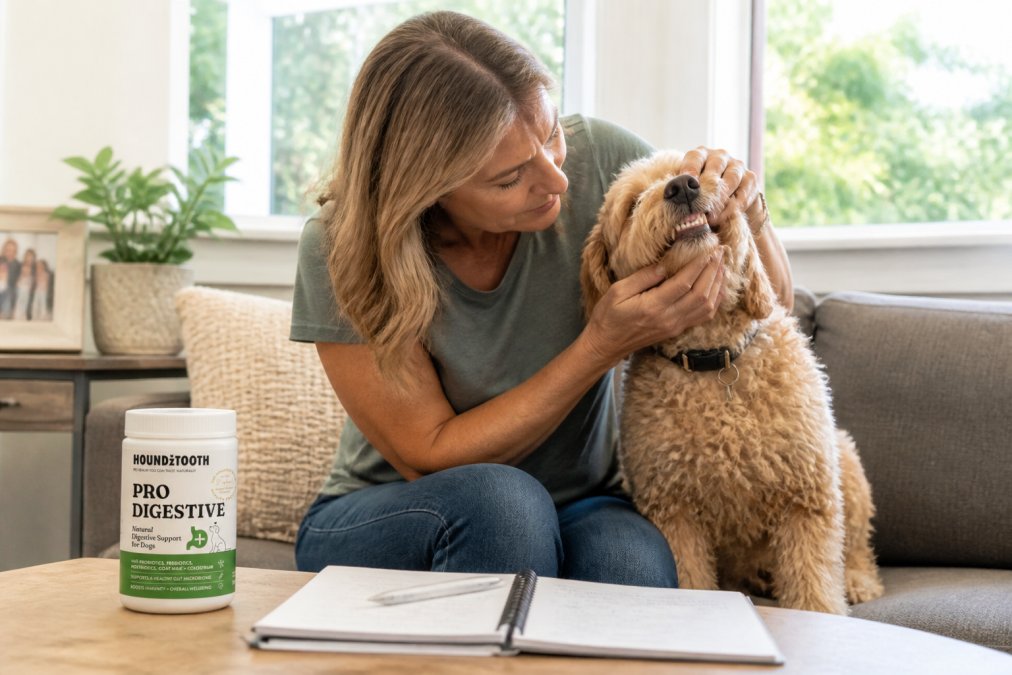
A practical home monitoring routine covers six areas: weight, appetite, water intake, coat and skin condition, dental health, and energy levels. Checking weight monthly using a consistent method, a bathroom scale with you holding the pet, then subtracting your own weight, gives a trend line that is far more informative than a single clinic measurement.
Dental health is something most pet owners underestimate at home. Running a finger along the gum line weekly and looking for redness, tartar build-up, or flinching gives you early warning of periodontal disease between professional cleanings. The Houndztooth Breath & Oral Health supplement ($40.95) uses ascophyllum nodosum, charcoal, chlorophyll, parsley, and mint to support oral hygiene as part of a daily maintenance routine.
According to Australian Animal Welfare Standards and Guidelines, owners have a duty of care to monitor their animals' health and seek veterinary attention when welfare is compromised. Building a home monitoring habit is how that duty is practically fulfilled.
Building a Pet Health and Wellness Routine That Sticks
Most wellness routines fail not because they are poorly designed but because they are too ambitious to maintain. The goal is a sustainable system, not a perfect one.
Start with the non-negotiables: annual veterinary examination, vaccination schedule, and parasite prevention. These are the minimum standard of care and the foundation everything else builds on. Once those are calendar entries rather than things you get around to, add the next layer.
A realistic monthly routine for a dog or cat owner looks like this:
- Weekly: check coat, skin, ears, and eyes; brush teeth or apply oral supplement; observe energy levels and appetite
- Monthly: weigh the animal; check nails; assess body condition score against the scale your vet showed you
- Quarterly: review parasite prevention product and restock if needed; check vaccination records
- Annually: book comprehensive wellness check; discuss nutritional needs, life stage changes, and any behavioural concerns
The in-between work, the daily and weekly observations, is what makes the annual appointment genuinely useful. Vets can do far more with a year of home observations than with a single snapshot examination.
Pet Care Online stocks the supplements, grooming products, and health-monitoring tools that support this kind of consistent home routine, delivered across the country so that staying on top of your pet's health does not depend on getting to a physical store.
Consistent preventative care is the single highest-return investment most pet owners can make for their animal's long-term health. The challenge is that the return is invisible when it is working: no emergency, no crisis, no sudden deterioration. The discipline is showing up for the routine when nothing seems wrong.
Pet Care Online makes the supply side of that routine straightforward, with a broad range of quality health and wellness products delivered directly to your door. Shop the full range of supplements, dental care, and wellness essentials and build the routine your pet deserves.
Frequently Asked Questions
Q: What services are provided at a pet health and wellness centre?
A: A pet health and wellness centre typically offers preventative care such as vaccination schedules, parasite prevention, and annual health checks, alongside dental care, diagnostic services, and geriatric care for older animals. Many centres also provide rehabilitation services including physiotherapy and hydrotherapy, as well as nutritional counselling and behavioural wellness support. The focus is on proactive health management rather than treating illness after it appears, which helps extend pet longevity and reduce long-term costs.
Q: How does a pet wellness centre differ from a standard veterinary clinic?
A: A standard veterinary clinic typically focuses on diagnosing and treating illness or injury. A pet health and wellness centre takes a broader, more proactive approach, prioritising early detection, personalised care plans, and ongoing health monitoring across your pet's entire life. Services like hydrotherapy, laser therapy, nutritional counselling, and structured wellness plans are more commonly found at dedicated wellness centres. The veterinary team at these facilities often includes specialists in rehabilitation and preventative medicine, offering a more holistic approach to pet care.
Q: What are the benefits of a pet wellness plan?
A: Pet wellness plan benefits include spreading the cost of routine care across monthly payments, which makes budgeting more predictable. Most plans cover annual examinations, vaccination schedules, parasite prevention, and dental checks. Some memberships also include discounts on diagnostic services or additional treatments. For pet parents with puppies, kittens, or senior animals requiring more frequent monitoring, a wellness plan often works out less expensive than paying for each appointment individually, while also encouraging more consistent preventative care visits.
Q: At what age should I start taking my pet to a wellness centre?
A: Puppy and kitten wellness visits should begin as early as six to eight weeks of age, when initial vaccinations and parasite prevention programmes typically start. Early visits allow the veterinary team to establish baseline health data, identify any breed-specific risks, and set up a tailored care schedule. Starting young also helps pets become comfortable with clinical environments, which reduces stress during future appointments. Senior pets generally benefit from more frequent check-ups, often every six months, to support early detection of age-related conditions.
This article was written using GrandRanker